A wine cabinet or wine cooler runs day and night to keep its contents at a constant temperature. Unlike regular refrigeration, the goal here is not to be as cold as possible, but to ensure stability. Fluctuations affect the quality of the wine. A worn door seal directly disrupts this stability, causing the compressor to run more often and longer to restore the set temperature. This accelerates wear on the compressor and noticeably increases the energy bill.
Go directly to...
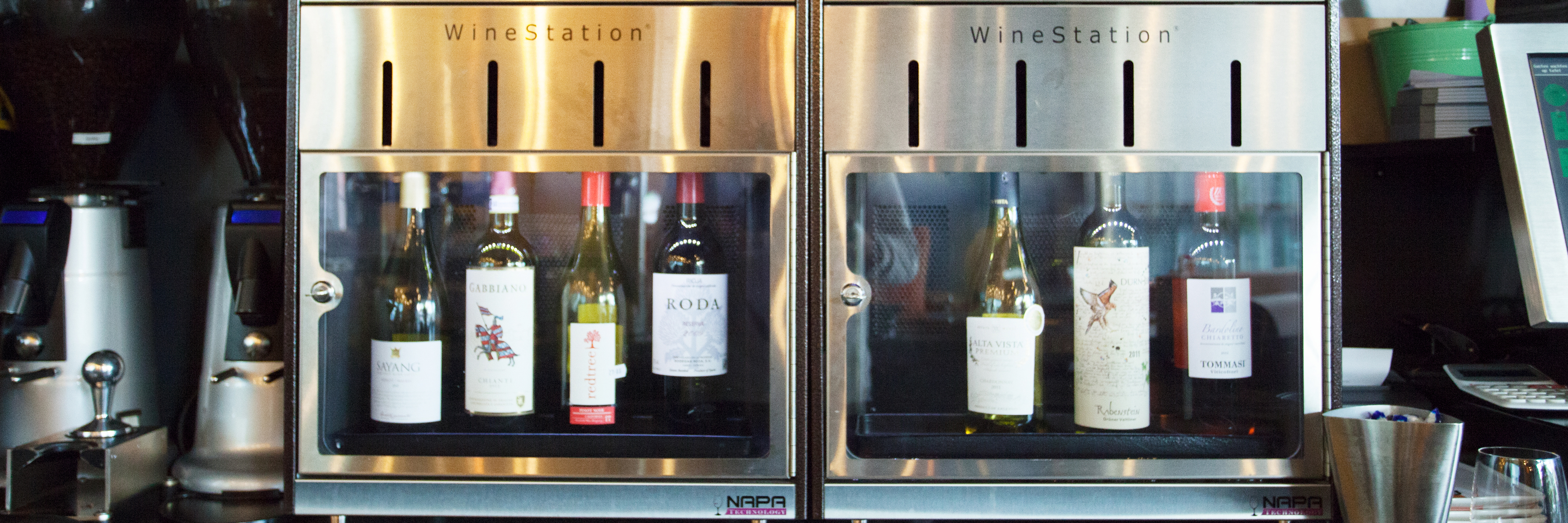
Types of wine cabinet door seals
Wine cabinets come in different model years and designs, which translates to the type of door seal they contain.
- Push-in profile: common in newer wine cabinets, with a push-in arrow that clicks into the door rebate.
- Flat profile: a flap that is screwed, riveted, or stapled under a plate or strip. More often seen in older models.
Replacing a wine cabinet door seal? Keep this in mind
In a wine cabinet, a fluctuating internal temperature is often the first sign that something is wrong with the seal, even before you see visible wear on the profile.
Also check for:
- Visible hardening or cracking of the profile
- An unexpected temperature difference within the same zone, which may indicate air leakage. Note: many wine cabinets deliberately have multiple zones, each with its own temperature. A difference between these zones is then normal.
- Moisture formation or condensation around the door edge, indicating disturbed humidity inside
If you wait too long to replace it, you risk both loss of wine quality and a significantly higher energy bill due to the continuously running compressor.
The right profile starts with the right choice
Follow our step-by-step plan to measure and determine the required profile. When replacing, always check the old profile code, so that the new profile has the same fit and closure as the original.
Search by brand
Do you know the brand and model of your wine cabinet? View the overview of more than 900 brands and quickly find the matching seal. Is your brand or model number not listed, or is the original profile no longer available? Then see how to find an alternative profile.
Order in a few steps
- Determine the profile type or search by brand and model
- Measure the correct size using the step-by-step plan
- Configure material, color, and dimensions in the online configurator
- Place your order
Delivery time is 2 to 5 working days. Are you ordering for the first time as a refrigeration company from DSU? Then with that first order, you will receive a sample case with frequently used profiles, useful for identifying profiles on-site.
Yes, many wine cabinets regulate humidity in addition to temperature. A leaking seal can disrupt this balance, which can eventually dry out the corks.
This depends heavily on the extent and duration of the leakage. When in doubt, it is advisable to check the seal immediately as soon as you detect a temperature deviation.
Not necessarily. The profile type depends on the brand and year of manufacture of the wine cabinet, not on the fact that it is specifically for wine storage.
No. A worn or damaged door seal cannot be temporarily repaired. Replacement is the only way to ensure the door seals properly again. Therefore, order a new profile immediately, so that the cabinet operates with a leaking seal for the shortest possible time.
A door seal rarely breaks all at once: the seal gradually deteriorates. With valuable stock, it is therefore wise to replace it at the first signs, instead of waiting until the seal is completely defective.
Yes, in a wine cabinet with multiple temperature zones or doors, check each profile separately. One leaking zone can affect the temperature regulation of the entire cabinet, even if the other door still seals well.